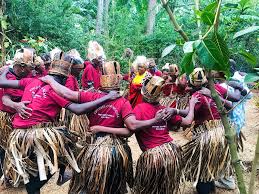
The Chagga (Wachagga) are the third-largest ethnic group in Tanzania, with over 5 million people living on the lush southern slopes of Mount Kilimanjaro. They are Bantu-speaking agriculturalists renowned for their sophisticated farming systems, particularly the kihamba — a layered home-garden that cultivates coffee, bananas, yams, and trees in a single sustainable plot.
Historically organized into chiefdoms known as mangis, the Chagga developed advanced irrigation systems and terraced farming centuries ago. Their proximity to Moshi and the Kilimanjaro trekking routes has made them one of Tanzania's most economically successful communities, while their coffee — grown in volcanic soil at high altitude — is prized worldwide.
Today the Chagga are known for their warm hospitality, rich oral traditions, and deep connection to the mountain they call Kibo. Visiting a Chagga village is a journey into a living culture that has thrived for centuries on the roof of Africa.
Book This Experience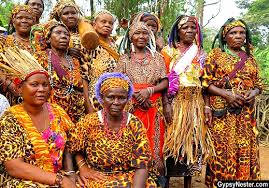
Every Chagga family cultivates a kihamba — a multi-layered garden growing bananas (canopy), coffee (mid-layer), vegetables (ground), and medicinal herbs. This sustainable system provides food, income, and medicine year-round on just a few acres.
Chagga coffee is among the best in East Africa. Grown at 1,500–2,000m on volcanic soils, the beans produce a bright, fruity cup with floral notes. Coffee was introduced by German missionaries in the 1890s and quickly became central to Chagga identity and economy.
Hidden beneath banana groves lie the Chagga caves — ancient underground refuges used for spiritual ceremonies, secret meetings, and shelter during conflicts. Winding tunnels stretch deep into the volcanic rock, some connecting entire villages.
Mbege is a traditional Chagga beer brewed from bananas and millet. Fermented for days in calabash gourds, it is served at weddings, harvest festivals, and community gatherings. Tasting it is a rite of passage for visitors seeking authentic culture.
Chagga music features rhythmic drumming, wooden flutes, ankle bells, and call-and-response singing. The Mkuu wa Ngonjera dance is performed during harvest celebrations, with dancers moving in circles around a central drummer.
Chagga society is organized into clans (lukuki), each tracing descent from a common ancestor. Clan elders (wazee) resolve disputes, oversee ceremonies, and preserve oral traditions. There are over 40 distinct clans across the Kilimanjaro region.
The Chagga homeland stretches across the southern and eastern slopes of Mount Kilimanjaro, from about 900m to 1,800m elevation. This fertile belt receives abundant rainfall and benefits from mineral-rich volcanic soils, creating perfect conditions for agriculture.
The landscape is a patchwork of dense banana groves, coffee shrubs, and vegetable gardens interspersed with paths lined with flowering shrubs. Water flows through an intricate system of irrigation channels — some centuries old — that bring crystal-clear mountain streams down to every village.
Above the farmlands rises the montane forest, home to colobus monkeys, bushbuck, and abundant birdlife. The forest is spiritually significant to the Chagga, who believe it is inhabited by ancestral spirits and requires respect. On clear days, the snow-capped summit of Kibo towers above everything — a constant reminder of the sacred mountain that defines their world.
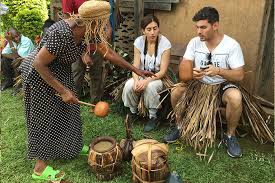
Chagga boys traditionally undergo initiation (ndala) — a period of teaching about clan history, moral values, and adult responsibilities. Girls receive instruction from elder women in household skills and traditions. These ceremonies reinforce community bonds and pass down wisdom across generations.
While many Chagga are Christian today, traditional beliefs remain strong. The supreme god Ruwa is associated with Mount Kilimanjaro. Ancestral spirits (warimu) are honoured through offerings of banana beer and food placed at special shrines within the kihamba.
Chagga traditional attire includes the shuka (a woven cloth wrapped as a robe) for men and colourful kanga wraps for women. Beaded jewellery, brass bracelets, and ankle bells are worn during ceremonies. The mdundiko — a hat made from banana fibres — is a distinctive Chagga symbol.
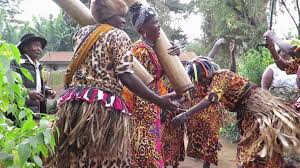
Every tour is hosted by a local Chagga family in their village. You don't just observe — you participate, taste, learn, and connect.
Stroll through a lush coffee farm as a Chagga farmer explains the journey from seedling to cup. See red cherries ripening on volcanic terraces under the shadow of Kilimanjaro, and learn how the kihamba system sustains both people and the environment.
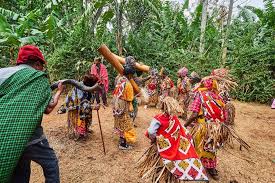
Roast green beans in a clay pot over an open fire, grind them with a wooden mortar, and brew using a traditional clay pot (mkebe). Taste the difference of fresh Chagga coffee served with sugarcane for natural sweetness.
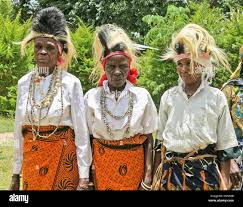
Wander through banana groves and learn about the dozens of banana varieties grown in the kihamba. Then sample Mbege — traditional banana beer — brewed by the family for generations, served in a calabash gourd.
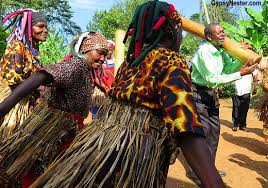
Hike through dense mountain forest to a cascading waterfall. Your guide points out medicinal plants used for generations and shares stories of the forest's spiritual significance in Chagga cosmology.
Descend into the ancient Chagga cave system — winding tunnels that stretch deep into volcanic rock. Learn how these caves served as refuges during tribal conflicts and as sacred spaces for initiation ceremonies.
Walk through a typical Chagga village, meet local families, and enjoy a home-cooked traditional lunch — including mtori (banana soup), nyama choma, and fresh tropical fruits from the garden.
We pay host families directly and fairly. Every guest's tour fee goes straight to the village — no middlemen. This ensures your visit directly supports Chagga families, their farms, and their children's education.
All our Chagga tours are led by certified local guides born and raised in the village. They speak Kichagga, Swahili, and English, and share authentic stories passed down through generations.
We purchase fresh coffee, bananas, and vegetables directly from Chagga farmers for our tours and safari provisions. This creates a steady market for their produce and encourages sustainable kihamba farming.
A portion of every Chagga tour booking goes toward community projects — school supplies, water access improvements, and supporting local women's cooperatives. We share the impact with you during your visit.
We limit group sizes to avoid overwhelming villages, follow Leave No Trace principles, and educate guests on cultural etiquette. Our goal is tourism that respects and preserves Chagga traditions for future generations.
We handle all logistics — transport from Moshi or Arusha, English-speaking guide, village entry fees, meals, and transfers. You simply show up and immerse yourself in the experience.

Our half-day Chagga experience is designed to fit perfectly before or after a Kilimanjaro trek or safari. The full-day option adds a cave exploration and waterfall hike.
Your guide meets you at your Moshi hotel. A short drive brings you to the village where a Chagga family welcomes you. Walk through their kihamba — learning how coffee, bananas, and vegetables grow together in harmony.
Share a traditional lunch prepared by your host family — mtori (banana soup), ugali, nyama choma, and seasonal vegetables. Taste freshly brewed Mbege banana beer served in a calabash.
Descend into ancient volcanic caves with your guide. Learn about their history as refuges and ceremonial sites. Transfer back to Moshi by mid-afternoon.
Absolutely. The Chagga people are very welcoming to families. Children will enjoy the farm animals, banana groves, and coffee tasting (non-alcoholic options available). We recommend the half-day option for younger kids.
The Chagga region is pleasant year-round, but the best time to visit is during the dry seasons when the paths are firm and the views of Kilimanjaro are clearest.
The long rains (April–May) bring lush green landscapes and fewer visitors, but paths can be muddy. The short rains (November) are lighter. The dry months offer the best trekking conditions and the highest chance of seeing Kilimanjaro's summit above the clouds.
Check AvailabilityComfortable walking shoes, hat, sunscreen, camera, water bottle, and insect repellent. A light jacket is useful in the morning.
No. Your guide is fluent in English and will translate between you and the host family. Learning "Habari" (hello) is appreciated.
Yes! Freshly roasted Chagga coffee is available for purchase directly from the farm. Your guide will help arrange this.
Yes, but always ask permission before photographing people. Your guide will advise on respectful photography.
Discover the rich agricultural heritage of the Chagga people on the slopes of Kilimanjaro. Our tours are hosted by local families who share their knowledge, food, and traditions with genuine warmth and hospitality. Let TMSafaris handle every detail so you can focus on the experience.