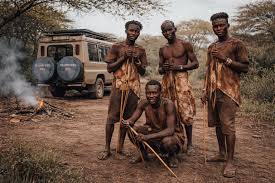
The Hadzabe (or Hadza) are one of the last true hunter-gatherer societies on Earth, living around Lake Eyasi in northern Tanzania. With a population of just 1,200–1,300, they represent humanity's oldest continuous way of life — archaeological evidence shows people have lived in the Lake Eyasi basin for over 50,000 years.
The Hadzabe speak a unique click language (Hadzane), which is a linguistic isolate unrelated to any other language. They have no chiefs, no formal leaders, and no hierarchy — decisions are made collectively, and both men and women share equal status. Their deep ecological knowledge of plants, animals, and seasonal patterns is extraordinary.
Visiting the Hadzabe is a profound experience. You witness a way of life that has sustained humans for tens of thousands of years — a living connection to our shared ancestral past that is disappearing rapidly from the modern world.
Book This Experience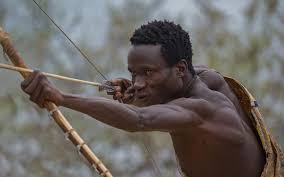
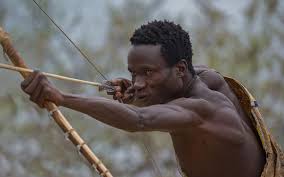
Hadzabe men hunt daily using handmade bows and arrows, including poison-tipped arrows made from wild desert rose. They track baboons, impala, birds, and small game by reading footprints, broken twigs, and bird alarm calls with astonishing precision.
Women gather tubers, berries, and baobab fruit daily. The Hadza diet includes over 200 wild plant species and is one of the most nutritionally diverse ever recorded. They eat shumuko (water-rich tubers), kongolobe berries, and baobab pulp — with 6x more vitamin C than oranges.
Honey is the most prized food. Using smoke torches and fire sticks, Hadzabe harvest honey from seven species of wild bees. They climb massive baobab trees, braving stings for the golden reward. Honey season (June–August) is a community celebration.
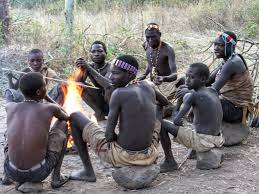
Hadzabe elders still make fire by friction using a hand drill and dry wood — a skill perfected over millennia. They can start a fire in under 30 seconds. Fire is central to cooking, warmth, and protection from predators at night in their temporary shelters.
The Hadzabe are fiercely egalitarian. There is no chief, no hierarchy, and no formal leadership. Camp membership is fluid — people come and go freely. Resources are shared equally. Disputes are resolved by leaving the camp temporarily rather than through confrontation.
Hadzane is one of only three languages in East Africa with click consonants. Clicks function as consonants: dental (|), lateral (ǁ), and palatal (ǂ). Learning a few click words — like piyo (come) and hama (go) — is a highlight of any visit.
Lake Eyasi is a seasonal soda lake at the southern end of the Serengeti ecosystem, cradled in the Great Rift Valley. Surrounded by acacia woodlands, baobab-dotted plains, and rugged hills, this remote region is the Hadzabe's ancestral home.
The landscape changes dramatically with the seasons. After the rains, the lake fills with crystal water attracting thousands of flamingos. During the dry season, it becomes a vast plain of glistening salt flats where Hadzabe walk for miles to find waterholes, tubers, and game.
The region is also home to the Datoga — a Nilotic pastoralist people who coexist with the Hadzabe. Visiting both communities in a single day provides a fascinating contrast between hunter-gatherer and herder lifestyles that have shared this land for centuries.
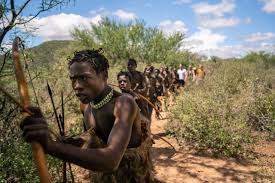
Hadzabe history is passed down through storytelling around the fire. Elders recount tales of ancestral heroes, animal spirits, and the creation of Lake Eyasi. These stories teach survival skills, moral lessons, and the deep connection between the Hadzabe and their land.
Hadzabe music features rhythmic clapping, stomping, and call-and-response singing. The epeme dance is performed during the full moon — men dance around a fire while women sing and clap. Trance dances are also practiced for healing and spiritual connection.
The Hadzabe believe in a supreme being called Ishoko (the sun) and Haine (the moon). They have a rich mythology around animal spirits — the baboon is considered a trickster figure, while the giraffe represents grace and wisdom.
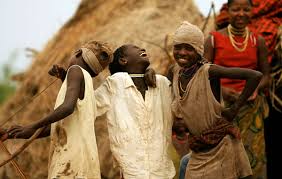
Every experience is guided by Hadzabe men and women in their own camp. You participate as a guest, learner, and witness to a 50,000-year-old way of life.
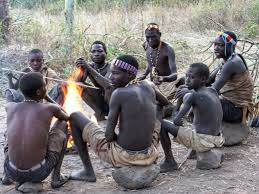
Join Hadzabe men at dawn as they track game through the bush. Watch them use handmade bows and arrows, communicate with bird calls, and work as a team to bring down prey — a skill honed over 50,000 years.
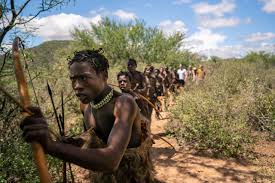
Learn how Hadzabe craft arrows from acacia wood, fletch them with guinea fowl feathers, and apply poison from the desert rose plant. See the entire process from raw materials to finished weapon.
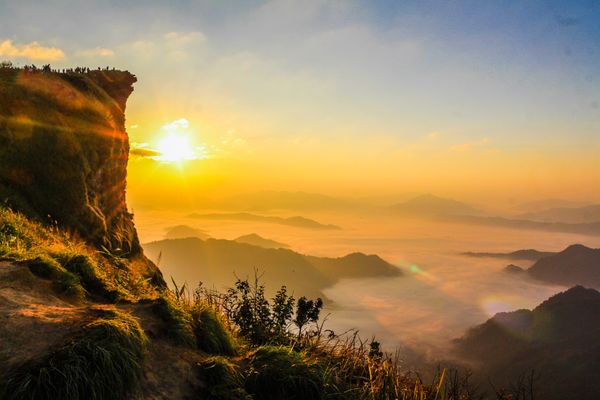
Taste wild honey harvested from baobab and acacia trees. Hadzabe honey is unlike anything from a store — smoky, complex, and intensely flavorful. Watch a honey gatherer climb a baobab using only a vine rope.
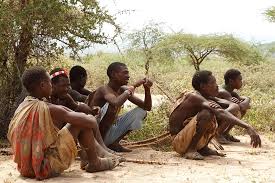
Walk with Hadzabe women as they gather tubers, berries, and medicinal plants. Taste baobab fruit, learn which roots cure stomach aches, and discover how the Hadza survive entirely from the wild landscape.
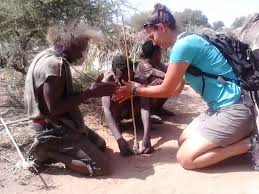
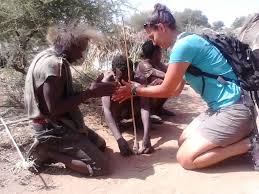
Watch an elder demonstrate traditional fire-making using a hand drill. Then try it yourself — it's much harder than it looks! You'll gain a new appreciation for this fundamental human skill that defined our species.
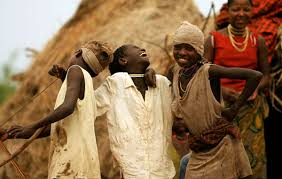
Sit with a Hadzabe elder and learn the basics of their click language. Practice the dental click (|), lateral click (ǁ), and palatal click (ǂ). Discover how clicks convey meaning in this ancient tongue.
Every visit is arranged with full consent of the Hadzabe camp elders. We never arrive unannounced. Our guides have long-standing relationships with the community, ensuring your visit is welcomed and mutually respectful.
TMSafaris pays the Hadzabe community directly for every visit. The money goes into a community fund managed by the elders, used for healthcare, basic supplies, and supporting their traditional lifestyle on their ancestral land.
Your main guide is a TMS professional who speaks Hadzane, Swahili, and English. He facilitates communication, translates stories, and ensures cultural sensitivity throughout the experience.
We ensure guests photograph only with permission. Our guides help negotiate consent with the community. A portion of the photo fee goes directly to the individuals photographed.
TMSafaris supports organizations working to protect Hadzabe land rights. The Hadzabe have faced displacement from their ancestral territories — sustainable tourism helps demonstrate the value of preserving their homeland.
We handle transport from Karatu or Ngorongoro, all entry fees, a professional English-speaking guide, meals, and camping equipment if you choose the overnight option. You focus on the experience.
Our full-day Hadzabe experience begins before sunrise. You can also combine it with a Datoga village visit and overnight camping under the stars.
Early departure from Karatu or your Ngorongoro lodge. The drive to Lake Eyasi takes about 1.5 hours through the Rift Valley. Witness the sunrise over the lake — a breathtaking start to the day.
Meet the hunting party at their camp. Follow them through the bush as they track game using handmade bows and poison-tipped arrows. Experience the silence, tension, and skill of the hunt.
Return to camp and join the women on a foraging walk. Taste wild berries and baobab. Watch an elder start a fire using only a hand drill. Try it yourself if you dare.
Share a simple meal with the community — roasted tubers, wild greens, and honey if available. Learn basic Hadzane click words and practice with your hosts. Laughter is guaranteed.
Visit a nearby Datoga village (optional). The Datoga are Nilotic pastoralists known for their intricate beadwork and blacksmithing. The contrast between the two cultures is fascinating.
Drive back to your accommodation with memories that will last a lifetime. Optional: stay overnight for a campfire storytelling session under the Rift Valley stars.
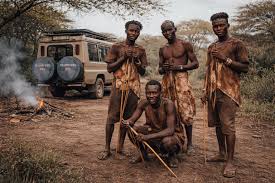
Yes, but we recommend ages 8+. The early start and walking can be challenging for younger children. The Hadzabe are very welcoming to families.
The Hadzabe experience is available year-round, but the dry season offers the best conditions for hunting walks and wildlife viewing around the lake.
During the dry season, animals concentrate around the remaining waterholes, making hunting more active. The lake dries into salt flats — an otherworldly landscape. In the wet season, the landscape is lush and green but hunting trails can be muddy.
Check AvailabilityComfortable walking shoes, long trousers for bush walks, hat, sunscreen, camera, water bottle, and insect repellent.
Always ask permission. Your guide will facilitate consent with the community. A small fee for photos is customary and appreciated.
We coordinate any donations through our guide to ensure fair distribution. Tobacco, batteries, and basic medical supplies are useful.
Your guide translates everything. Learning a few Hadzane click words before your visit enhances the experience greatly.
Join us for a once-in-a-lifetime encounter with one of humanity's oldest cultures. Our visits are arranged with full consent and collaboration of the Hadzabe community, ensuring respectful, ethical, and meaningful exchange. Let TMSafaris handle every detail so you can immerse yourself fully.